
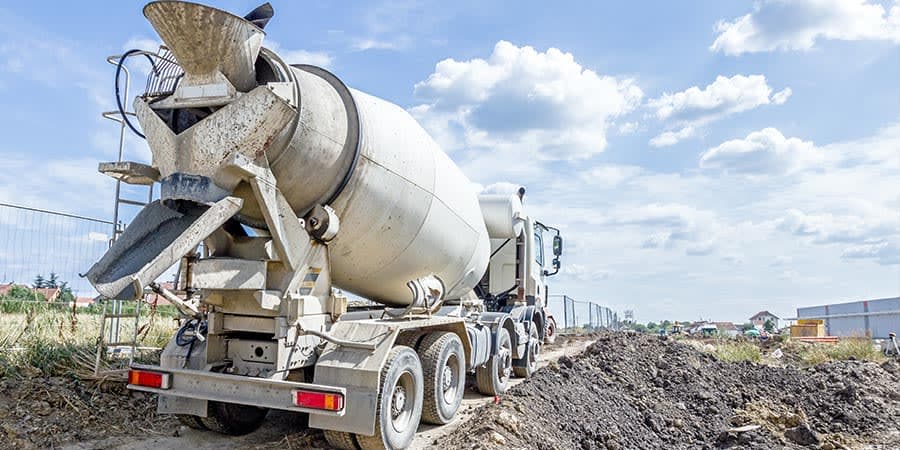
How to Choose the Right Grade of Concrete for Your Building
Choosing the correct concrete grade is one of the most important decisions in construction. Learn about different concrete grades, their applications, and how BheriRMC helps you select the perfect mix for your project.
How to Choose the Right Grade of Concrete for Your Building
The strength and durability of any building depend heavily on the quality and grade of concrete used during construction. Selecting the wrong concrete grade can lead to reduced structural performance, costly repairs, and even safety concerns.
Whether you're constructing a residential house, commercial complex, road, bridge, or industrial facility, understanding concrete grades helps ensure your project meets both engineering standards and long-term performance expectations.
At BheriRMC, we provide professionally designed Ready-Mix Concrete that matches the specific needs of every construction project.
What is a Concrete Grade?
Concrete grade indicates the compressive strength of concrete after 28 days of curing.
For example:
M10 = 10 MPa
M15 = 15 MPa
M20 = 20 MPa
M25 = 25 MPa
M30 = 30 MPa
The higher the number, the stronger the concrete.
Common Concrete Grades
M10
Suitable for:
Levelling course
Non-structural work
Pathways
M15
Commonly used for:
Pavements
Garden flooring
Footpaths
M20
One of the most widely used grades for:
Residential buildings
House slabs
Beams
Columns
Foundations
M25
Ideal for:
Commercial buildings
Multi-storey structures
Heavy foundations
M30 and Above
Used in:
Bridges
High-rise buildings
Industrial projects
Water-retaining structures
Factors to Consider When Choosing a Concrete Grade
Structural Load
Buildings carrying heavier loads require stronger concrete.
Soil Conditions
Weak soil often requires higher-grade concrete for stronger foundations.
Environmental Conditions
Areas exposed to moisture, chemicals, or harsh weather need durable concrete mixes.
Building Height
Multi-storey buildings generally require stronger concrete than single-floor homes.